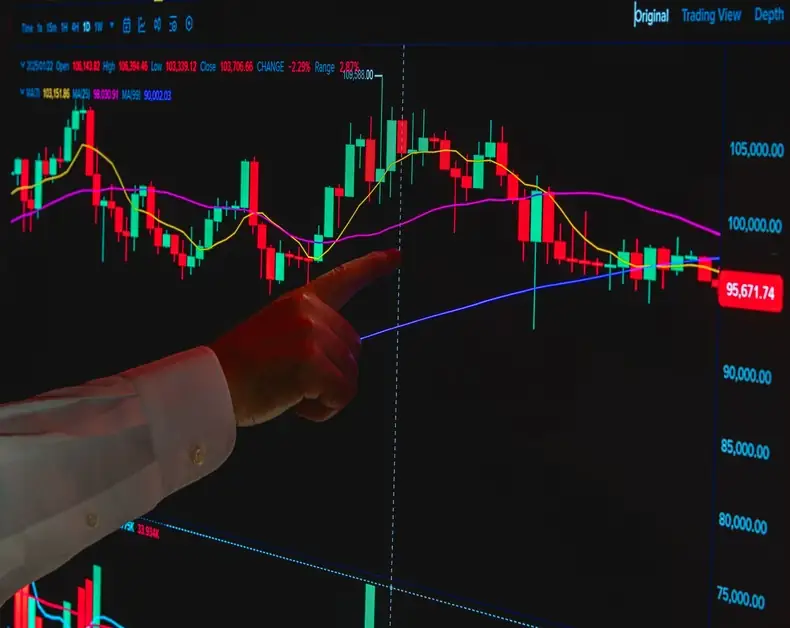
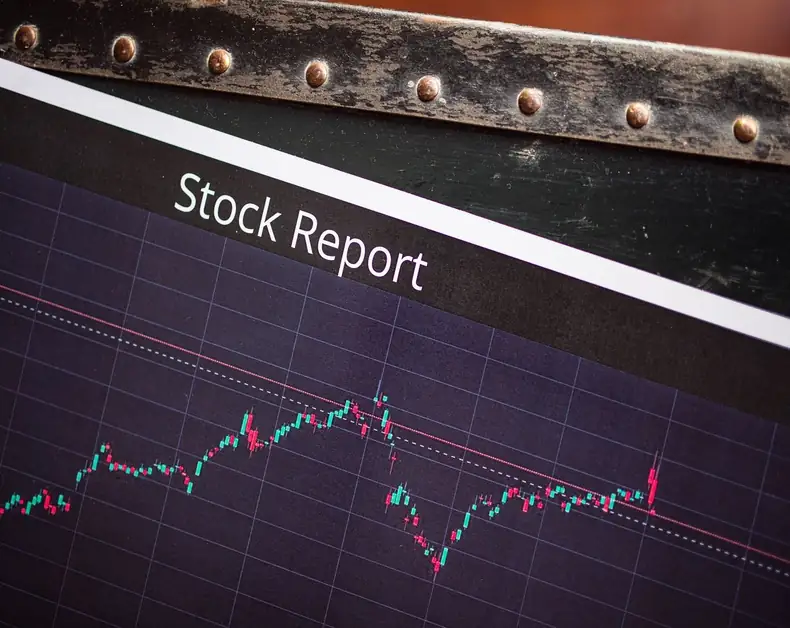
Tech Stocks are attracting significant attention in today’s market. Tech stocks have been a focal point of interest as people navigate the complex world of AI-driven market dynamics. Recently, SK hynix reported robust Q2 earnings, showcasing significant growth amid these challenges. With revenue soaring by 51% from the previous quarter, the company continues to play a pivotal role in the tech sector. However, the broader context reveals that the path forward is fraught with both opportunities and uncertainties. Meanwhile, small cap stocks remains a key focus for market participants.
SK hynix Q2 Performance and Impact on tech stocks
In late July, SK hynix reported a significant boost in its Q2 revenue, reaching $51.3 billion with an impressive operating margin of 76%. This remarkable growth saw sales more than triple during the June quarter, driven by high demand for memory from key clients. Despite this success, the tech stock is trading 31% below its all-time high as of October 2026. In Korea, the situation is even more drastic, with a loss of over 50% from peak levels, representing a $660 billion reduction in market capitalisation.
Influential Figures and Market News
In related market news, Bill Gates praised Elon Musk’s brilliance, wealth, and influence, despite personal differences. Meanwhile, Jeff Bezos highlighted the potential of AI advancements, predicting that families might not need two full-time earners thanks to technological gains. On a different note, Charlie Munger, at age 97, reflected on a strategic misstep involving a $37 million investment in Alibaba, which he later regretted.
Earnings Report and Future Outlook for tech stocks
SK hynix’s recent earnings report revealed a 51% increase in revenue from the previous quarter and a staggering 257% rise from a year ago. Operating income rose to $39 billion, and net income reached $60.7 billion, largely due to gains from selling and revaluing assets. Part of this income was attributed to the sale of SK hynix’s Kioxia stake. The company’s president, Song Hyeon-jong, expressed confidence in sustained AI investment, predicting robust growth beyond 2027.
Challenges in the tech sector
Tech stocks, including SK hynix, have faced headwinds due to rising interest rates and market volatility. U.S. consumer prices surged in September, potentially leading to higher borrowing costs which could impact profit margins. CoreWeave bonds saw a decline, affecting its stock by 15%. Over the past five trading sessions, SK hynix’s stock dropped 18%, with Samsung experiencing a similar downturn. The Kospi index also saw significant losses, dropping 15% in a week and 41% from its peak. Trading on the Korean exchange was briefly halted due to consecutive losses.
Competitive Pressures and Future Predictions
Competitive pressures in the tech industry are intensifying, with Chinese chipmaker ChangXin Memory Technologies unveiling a server memory product that could threaten market share. As Elon Musk pointed out, China is gearing up to produce significant quantities of RAM by 2028. However, despite potential challenges, Counterpoint Research forecasts a fall of about 23% in DRAM prices from 2027 to 2028, though prices will remain significantly higher than 2025 levels. SK hynix is well-positioned with a strong balance sheet, ending Q2 with approximately $52 billion in net cash and a debt-to-equity ratio of 7%. Analysts predict adjusted earnings to rise by 2028, reflecting a positive outlook for this tech stock. people watching small cap stocks are taking note.
Overall, while challenges loom, the tech stock sector remains an area of interest for many, with SK hynix continuing to adapt and grow amid changing market dynamics. The small cap stocks market is responding.
In conclusion, SK hynix’s recent Q2 earnings report has certainly caught the attention of those keeping a close eye on the market news. Despite ongoing challenges in the AI trade, the company has demonstrated resilience with a solid performance. For those interested in the nuances of the stock watchlist, understanding small cap stocks and their potential impact can provide valuable context. The key financial highlights from Q2 underline SK hynix’s strategic positioning amidst a competitive landscape. As always, staying informed remains crucial for anyone navigating the complexities of the market.
What drove SK hynix’s Q2 revenue growth?
SK hynix’s Q2 revenue increased significantly to $51.3 billion, with sales more than tripling in the June quarter. This growth was primarily driven by high demand for memory products from key clients, contributing to an impressive operating margin of 76%. More details can be found in the earnings report.
Why has SK hynix’s stock value declined despite strong earnings?
Despite robust earnings, SK hynix’s stock is trading 31% below its all-time highs as of October 2026, with a more drastic drop of over 50% in Korea. This decline is attributed to a broader market sentiment turning bearish, affecting the AI trade sector significantly. For further context, see the source.
How did SK hynix’s management address concerns about AI spending?
SK hynix management dismissed fears of a slowdown in AI spending, with President Song Hyeon-jong highlighting the efficiency of AI models and projecting robust AI investment beyond 2027. The company has also secured long-term supply agreements with about ten customers, ensuring stability in future demand. More insights are available in the earnings report.
What impact have rising interest rates had on AI companies?
Rising interest rates have raised borrowing costs and squeezed profit margins, leading several AI companies to accumulate debt for expansion. This financial pressure has contributed to stock declines, with CoreWeave’s bonds falling significantly and SK hynix’s stock dropping by 18% over the last five trading sessions. Refer to this source for more details.
How has the broader Korean stock market been affected recently?
The Korean stock market has experienced significant turbulence, with the Kospi index down 15% over the last week and 41% from its all-time high. Trading was temporarily halted due to consecutive days of losses, exacerbated by foreign traders offloading $2.7 billion in shares. For a more detailed analysis, check the market news.
In other news: Tech Stocks: Focus: AI Researcher’s New Path